Integrating Biometric Hardware & Mobile Geo-Fencing for Hybrid Teams
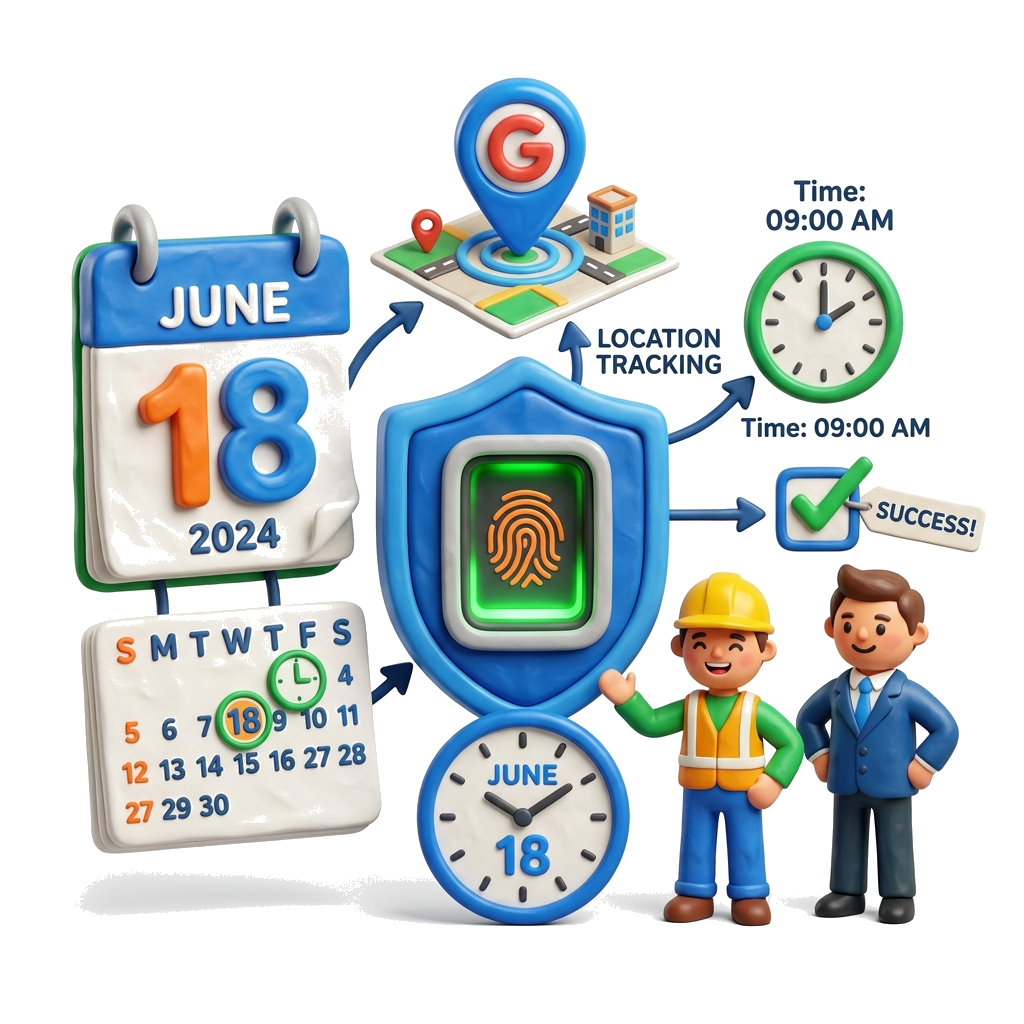
The shift toward remote and hybrid work models has revolutionized workforce flexibility, but it has also created significant challenges for traditional timekeeping. Legacy punch cards, manual sign-in registers, and standalone biometric hardware fail to provide accurate, real-time attendance data across multi-office perimeters and distributed field teams. In this technical deep-dive, we explore how combining IP camera hardware sync with mobile GPS geo-fencing creates a unified, tamper-proof attendance architecture.
1. The Fall of Legacy Attendance Systems and Buddy Punching
Buddy punching—where one employee checks in on behalf of a tardy colleague—costs enterprises millions in unearned wages annually. Standalone biometric terminals that store attendance data on local SD cards or offline internal storage create data silos, requiring IT staff to manually export CSV logs at month end. Furthermore, these hardware units cannot verify field engineers, sales agents, or work-from-home personnel operating outside physical headquarters.
2. Cloud-Connected Biometric IP & Camera Facial Recognition Sync
Modern attendance infrastructure connects hardware biometric terminals directly to central HRMS cloud servers via secure REST APIs and WebSocket streams. When an employee scans their fingerprint or presents their face to an entrance camera turnstile, the device captures an encrypted template and transmits a real-time event payload containing timestamp, device ID, and liveness verification score.
3. Mobile Geo-Fencing & Dynamic Location Perimeters
For employees working on-site at customer locations, construction projects, or home offices, mobile app geo-fencing enforces clock-ins strictly within predefined geographical coordinates. Utilizing GPS, cellular tower triangulation, and Wi-Fi SSID verification, the app permits attendance logging only when the employee is physically located inside authorized virtual boundaries.
4. Automated Overtime, Shift Rosters, and Leave Integration
Raw attendance timestamps are only valuable when mapped directly to shift policies and leave applications. The unified attendance engine cross-references clock-in logs against pre-scheduled shifts, holiday calendars, and approved leave requests. Late arrivals, early departures, and overtime hours are automatically computed and flagged for manager review.
5. Real-World Blueprint: Architecture of a Global Multi-Office Deployment
In an enterprise deployment spanning 5 corporate offices and 300 remote workers, attendance events from IP cameras, door access control units, and mobile apps stream into an API gateway. The gateway validates device signatures, checks geo-coordinates against location policy tables, and updates the employee's active shift status instantly. HR admins access live presence dashboards indicating real-time office occupancy.
Summary & Next Steps
Unifying physical biometric hardware with mobile geo-fencing delivers complete visibility over hybrid operations. Companies eliminate proxy attendance fraud, reduce administrative overhead, and provide employees with transparent, fair timekeeping across every work environment.